April Special: Free quotes on all new arborist and tree services — Book now
When do you need an arborist — Holland's Tree Services Christchurch
Arborist Advice

When Should You
Call an Arborist?

Most people wait until something goes wrong. This guide covers every situation where getting a certified arborist involved early saves you time, money, and stress — before a tree becomes a problem.

You Probably Need an Arborist More Often Than You Think

Trees are one of those things people tend to ignore until they become impossible to ignore — a branch comes down in a storm, a buyer flags something during a property inspection, or a tree starts leaning in a direction it definitely wasn't leaning before. By that point, what could have been a routine job often becomes an urgent, expensive one.

A certified arborist isn't just someone you call when a tree falls down. Regular professional assessment, timely pruning, and knowing when a tree actually poses a risk — these things protect your property, your neighbours, and in some cases your legal standing as a homeowner or landlord. Below are the most common situations where calling an arborist is the right move, and exactly what to look out for.

01 — Selling Your Property Tree removal before selling property Christchurch
Property Sales

Selling Your Home? Your Trees Are Part of the Deal

Buyers notice trees before they notice much else. Overgrown, dead, or poorly placed trees reduce perceived value and can flag serious concerns in a pre-purchase building report.

Trees are one of the first things buyers notice. Overgrown or dead trees don't look appealing, and older or larger trees close to the house can raise genuine concerns during a pre-purchase inspection if they show signs of risk. Getting an arborist in before you list means you know what you're dealing with — and you control the process rather than leaving it for a buyer to use as a negotiating point.

  • Remove dead, dying, or clearly hazardous trees before listing
  • Trim overhanging branches away from the roof and gutters
  • Clear stumps — they improve the look of the section significantly
  • Check if any trees are protected before planning removal
Preparing to sell? Get a pre-sale arborist assessment — free, no obligation, and it could save you thousands at negotiation.
Get Assessment
02 — Renting Out a Property Tree safety for rental property landlord Christchurch
Landlords & Rental Properties

Renting Out a Property Comes With Tree Responsibilities

As a landlord, you have a duty of care over the trees on your property. If a tree you knew — or should have known — was hazardous causes damage or injury, your liability exposure is significant.

As a property owner, you're responsible for maintaining trees that don't pose a foreseeable risk to tenants, visitors, or neighbouring properties. Before you rent a property out — especially if trees haven't been looked at for a number of years — a qualified arborist assessment gives you a clear picture of what's there and what, if anything, needs attention.

Well-maintained trees also improve rental appeal. A tidy section photographs better, attracts better tenants, and it's far cheaper to do routine maintenance annually than to deal with an emergency removal or storm damage after the fact.

  • Get a professional assessment before a new tenancy begins
  • Schedule annual maintenance to stay ahead of issues
  • Address any flagged risks promptly
  • Check proximity of trees to the house, fences, and vehicles
Rental property? A documented arborist assessment is inexpensive protection. Book one before your next tenancy.
Book Assessment
03 — After a Storm Storm damaged tree Christchurch arborist emergency
Storm Damage

A Storm-Damaged Tree Is Often More Dangerous After the Storm

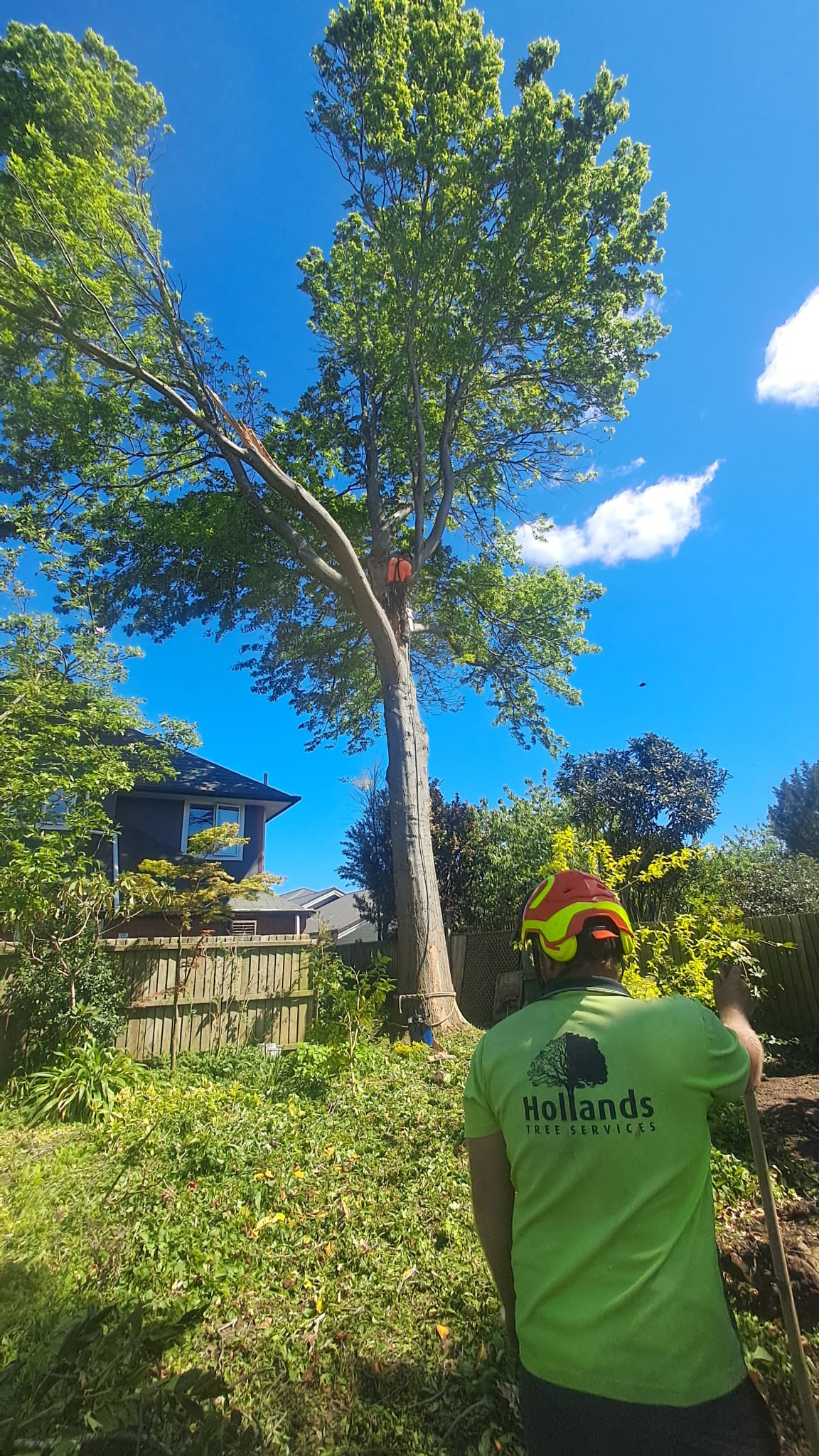
Storms don't always make tree damage obvious. A tree that looks like it weathered a storm intact can be far more dangerous than one that clearly lost branches — because internal damage and tension in partially broken wood is invisible until it fails.

The visible damage after a storm — fallen branches, obvious splits — is usually the easy part. The harder part is identifying damage you can't see: branches that appear intact but are no longer structurally attached, or trunk splits that have closed up but remain weak points. These can fail days or weeks later without warning.

If a tree on your property has been through a significant storm, keep people away from it and get a professional assessment before assuming it's fine. Trees that were already showing signs of stress before a storm need to be treated as urgent after one.

  • Don't assume a standing tree is safe — internal damage isn't always visible
  • Partially broken branches held by other branches can drop weeks later
  • Never attempt to remove storm-damaged trees or branches yourself
  • Storm damage that's left can worsen with the next weather event
Storm damage? Call us directly for the fastest response — don't wait and don't go near the tree until it's been assessed.
0800 220 990
04 — Before a Build or Renovation Site clearance before build Christchurch arborist
New Builds & Renovations

Clear the Section Properly Before You Break Ground

Trees and construction don't mix well. Getting arborist work done before a build — not during — means your build isn't delayed, your budget isn't blown by late-stage complications, and protected trees are identified before someone removes them without consent.

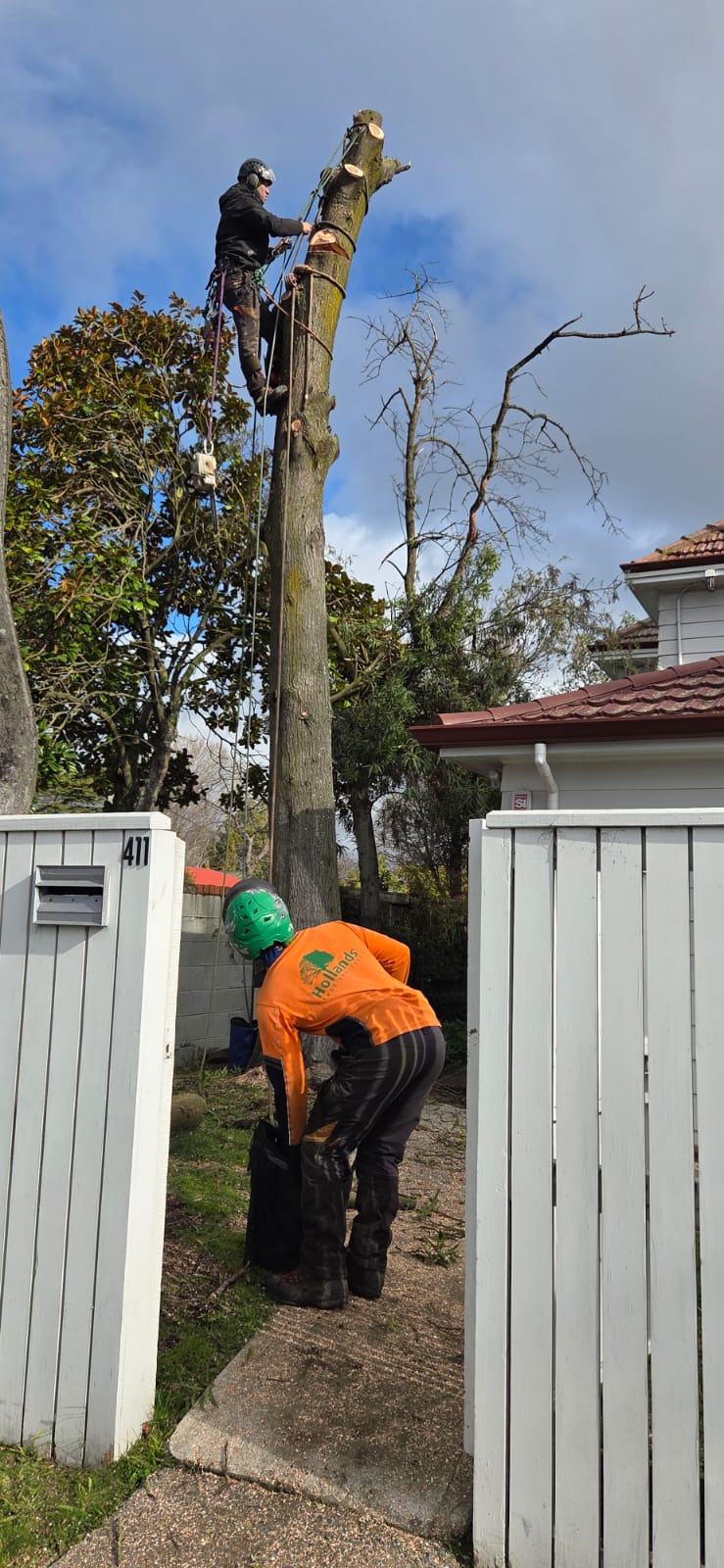
Trees need to be part of the conversation from the start — not an afterthought once the digger is on site. Root systems extend well beyond the visible canopy, and construction activity within that zone can damage or kill trees that appear completely unaffected. For sections being cleared before a new build, professional site clearance done properly — full removal, stump grinding to below grade — means the build proceeds without unexpected obstructions appearing during foundation or drainage work.

Any trees being retained during a build should be assessed before work starts. An arborist can advise on protection requirements and what council consents, if any, apply to your project.

  • Get arborist work scheduled before any groundwork begins
  • Check for protected trees before finalising build plans
  • Stump grinding is essential — roots cause problems in foundations and drainage
  • Trees being retained need assessment and protection during construction
Planning a build? Get in touch early — site clearance is best planned before your consent is lodged.
Site Clearance Info
05 — When a Tree Looks Wrong Dangerous tree signs Christchurch arborist assessment
Tree Health & Hazard Assessment

Trust Your Instincts — If a Tree Looks Wrong, It Probably Needs Attention

You don't need to be an arborist to notice when something isn't right with a tree. Most of the warning signs are visible to anyone who knows what to look for — and catching them early makes the difference between a manageable pruning job and a full emergency removal.

The challenge with trees is knowing which signs are cosmetic and which indicate something structural. Some are obvious — a large dead branch hanging over the house is clearly a risk. Others are more subtle: a lean that's developed recently, ground cracking near the base, or bark damage that could indicate internal decay.

A qualified arborist can assess a tree properly and give you a clear, honest recommendation. Sometimes the answer is a trim. Sometimes it's removal. Knowing which one is always better than waiting to find out the hard way.

  • Leaning that has developed or worsened recently — not a long-standing lean
  • Dead or dying branches, particularly large ones in the upper canopy
  • Fungal growth at the base or on the trunk
  • Cracks or splits in major branches or the main trunk
  • Bark damage, open wounds, or significant peeling
  • Ground cracking, soil heave, or exposed roots near the base
  • Cavities or hollow sections in the trunk or major limbs
Concerned about a tree? Don't wait. A free assessment takes an hour and gives you a clear answer.
Book Assessment
06 — Near Structures or Powerlines Tree near powerline structure Christchurch arborist
Structures & Powerlines

Trees Near Powerlines or Buildings Are Not a DIY Job

Working around powerlines requires specialist training and equipment. The risks are severe — not just to the person doing the work, but to anyone nearby. This is one category of tree work where a professional isn't optional.

By the time branches are in contact with a powerline, the risk is already real. Trimming or removing trees near powerlines must be done by a trained arborist with the correct equipment — this is not a DIY job under any circumstances.

Trees close to buildings carry a different set of risks. Root systems exert pressure on foundations and buried services over time. Branches in contact with a roof cause ongoing damage — blocked gutters, damaged tiles, moisture ingress. Get a qualified arborist to assess the situation before it becomes a structural problem.

  • Never attempt tree work near powerlines without a qualified arborist
  • Root systems near foundations should be assessed before symptoms appear
  • Branches touching or overhanging the roof need to be trimmed back
Tree near a structure or powerline? Call us — this needs a qualified arborist on site before any work is considered.
0800 220 990
07 — General Maintenance Tree pruning maintenance Christchurch arborist
Ongoing Tree Care

Regular Maintenance Is Cheaper Than Emergency Work. Always.

Well-maintained trees live longer, pose less risk, look better, and cost significantly less to manage over time. Annual or biennial arborist maintenance is one of the best investments a property owner can make in the long-term health and safety of their trees.

Pruning done properly — by someone who understands how trees grow — is fundamentally different from cutting branches back to make a tree look smaller. Good arborist pruning corrects structural imbalances, reduces wind resistance, and promotes healthy growth. Left unmanaged, problems compound year after year until what could have been a routine trim becomes an expensive removal.

For properties with multiple established trees, an annual check by a certified arborist is the most cost-effective way to stay ahead of issues and avoid being caught off guard by a bill you didn't see coming.

  • Annual or biennial professional pruning extends tree life significantly
  • Crown management improves wind resistance during storms
  • Catching problems early is always cheaper than dealing with them late
  • Regular maintenance keeps trees looking good and your property tidy
Multiple trees on your property? We offer seasonal maintenance programs — get in touch to discuss what makes sense for your situation.
Pruning & Trimming
08 — Council Rules & Consents Council consent tree removal Christchurch District Plan
Christchurch District Plan

Some Trees in Christchurch Cannot Be Touched Without Council Consent

Christchurch takes its trees seriously — it's the Garden City for a reason. The District Plan lists significant protected trees on private land that require resource consent before any substantial work is carried out. Removing one without consent can result in significant fines.

Christchurch takes its trees seriously. Certain trees across the city are protected because of their heritage, ecological, or amenity value — and working on them, or removing them, without the right consent can result in significant fines. This applies to trees on private land, not just public spaces.

If you're unsure whether a tree on your property is protected, talk to a qualified arborist before you do anything. Adam is familiar with Christchurch City Council requirements and can advise on what applies to your situation — and assist with consent applications where they're needed.

  • Some trees in Christchurch are protected — removal without consent can result in fines
  • This applies to private land, not just public spaces
  • Always consult a qualified arborist before any work on a tree you're unsure about
  • Adam can advise on consent requirements and assist with applications
Not sure if your tree is protected? Ask us — it's a five minute conversation that could save you a significant fine.
Get Advice
Quick Reference

Signs Your Tree Needs Attention — Now

If you're seeing any of the following, get a professional assessment before the situation gets worse or more expensive.

A new or worsening lean in any direction
Dead branches in the upper canopy
Fungal growth at the base or on the trunk
Cracks or splits in major branches or trunk
Ground heaving or cracking near the base
Cavities or hollow sections in the trunk
Unusual or sudden leaf loss
Bark damage, open wounds, or heavy peeling
Branches in contact with powerlines or roof
Branches hanging after a storm event
Root system near foundations or services
Tree hasn't been assessed in more than 3 years

Ticking one of these doesn't necessarily mean the tree needs to come down. It means it needs a qualified eye on it. Get a free assessment and know what you're dealing with.

Not Sure? Just Ask — It's Free.

Every situation is different. If you're uncertain whether a tree on your property needs attention, the best thing you can do is get a qualified arborist to look at it. Free assessment, straight advice, no obligation.

Call Adam Directly
Response Time
Within 24 Hours
Service Area
Christchurch & Canterbury

Request Your Free Assessment

Tell us about your tree and we'll be in touch to arrange a site visit.